EPS (Expanded Polystyrene) Applications: Versatile Solutions from Construction to Packaging
In today's construction and industrial world, when the words "efficiency" and "economy" are mentioned together, one of the first materials that comes to mind is... EPS (Expanded Polystyrene) olur. %98’i havadan oluşan bu mucizevi polimer, sadece beyaz bir köpük değil, mühendislik ve tasarımın en hafif halidir.
Here are the key areas where EPS makes our lives easier in the modern world:
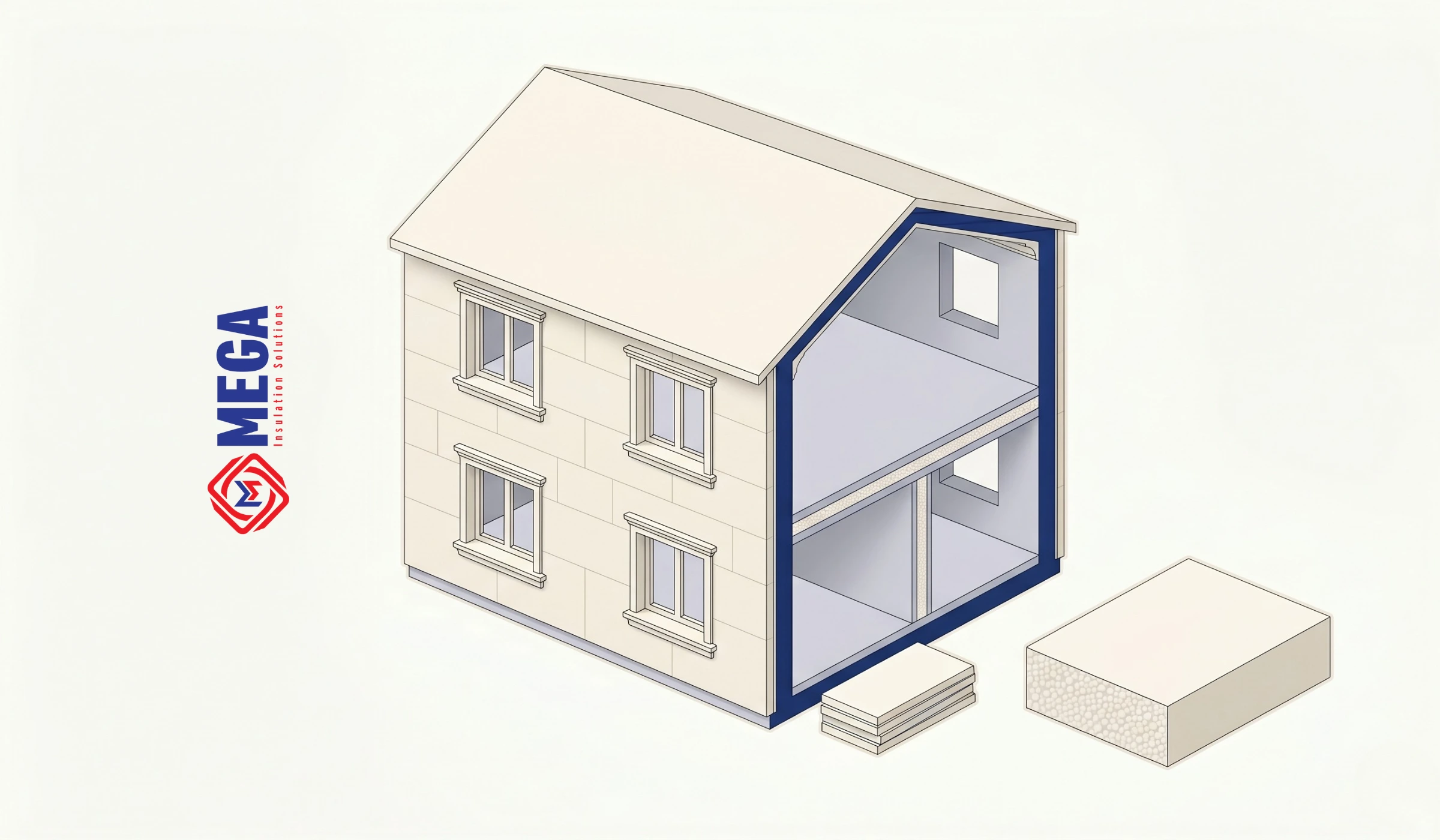
1. Exterior Wall Insulation Systems: The Armor of Your Building
EPS's most common application is undoubtedly exterior wall insulation. Its advantages over alternative insulation materials (such as rock wool) make it a leader in the industry.
-
Lightweight and Static Advantage: It does not add extra load to the building. This is especially vital in the rehabilitation of old buildings or in high-rise projects.
-
High Thermal Insulation: Thanks to its closed-cell structure, it has a very low thermal conductivity coefficient. By keeping warm air inside in winter and outside in summer, it reduces energy bills. %50’ye varan tasarruf provides.
-
Ease of Use: It is quick to cut and assemble, minimizing labor costs.
2. Interior Wall and Floor Insulation: Comfortable Living Spaces
EPS plays a critical role not only in exterior facades but also in enhancing the comfort of interior spaces.
-
Sound Insulation Support: Its porous structure absorbs vibrations, reducing impact noise between floors and reverberation within the room.
-
Moisture and Humidity Control: It helps walls "breathe" thanks to its water vapor permeability, while also preventing moisture formation due to its very low water absorption rate.
3. Architectural and Decorative Applications: Aesthetics and Lightness
Traditional plaster or concrete decorative elements are both heavy and costly. EPS, in this respect, offers designers endless freedom.
-
Plasterboard and Ceiling Moldings: It offers a classic look at ceiling and wall junctions in a much lighter and more cost-effective way.
-
Exterior Facade Moldings and Decorations: Window sills, which add aesthetic appeal around windows and feature unique motifs that transform the building's identity, are produced by processing EPS blocks on CNC machines. Thanks to the special acrylic coatings applied to them, they become as resistant to external weather conditions as concrete.
4. Industrial Packaging and Protection (Bonus Area of Use)
Adding this section to your article will increase its depth, as EPS is indispensable not only in construction but also in logistics.
-
Shock Absorption: It is the most secure protective material for shipping sensitive products, from home appliances to electronics.
-
Food Hygiene: Thanks to its thermal protection properties, it keeps food fresh and prevents the growth of bacteria.
Why Choose EPS?
-
It is economical: It is the most affordable insulation material in terms of cost per unit volume.
-
He is an environmentalist: Üretiminde ozon tabakasına zarar veren gazlar kullanılmaz ve %100 geri dönüştürülebilir.
-
It's for life: It does not rot and does not lose its insulation value over time.
In conclusion; EPS is a "smart" material that offers economical and practical solutions at every point of a building, from its foundation to its roof, and from its interior decoration to its exterior facade.