Are insulation materials recyclable?
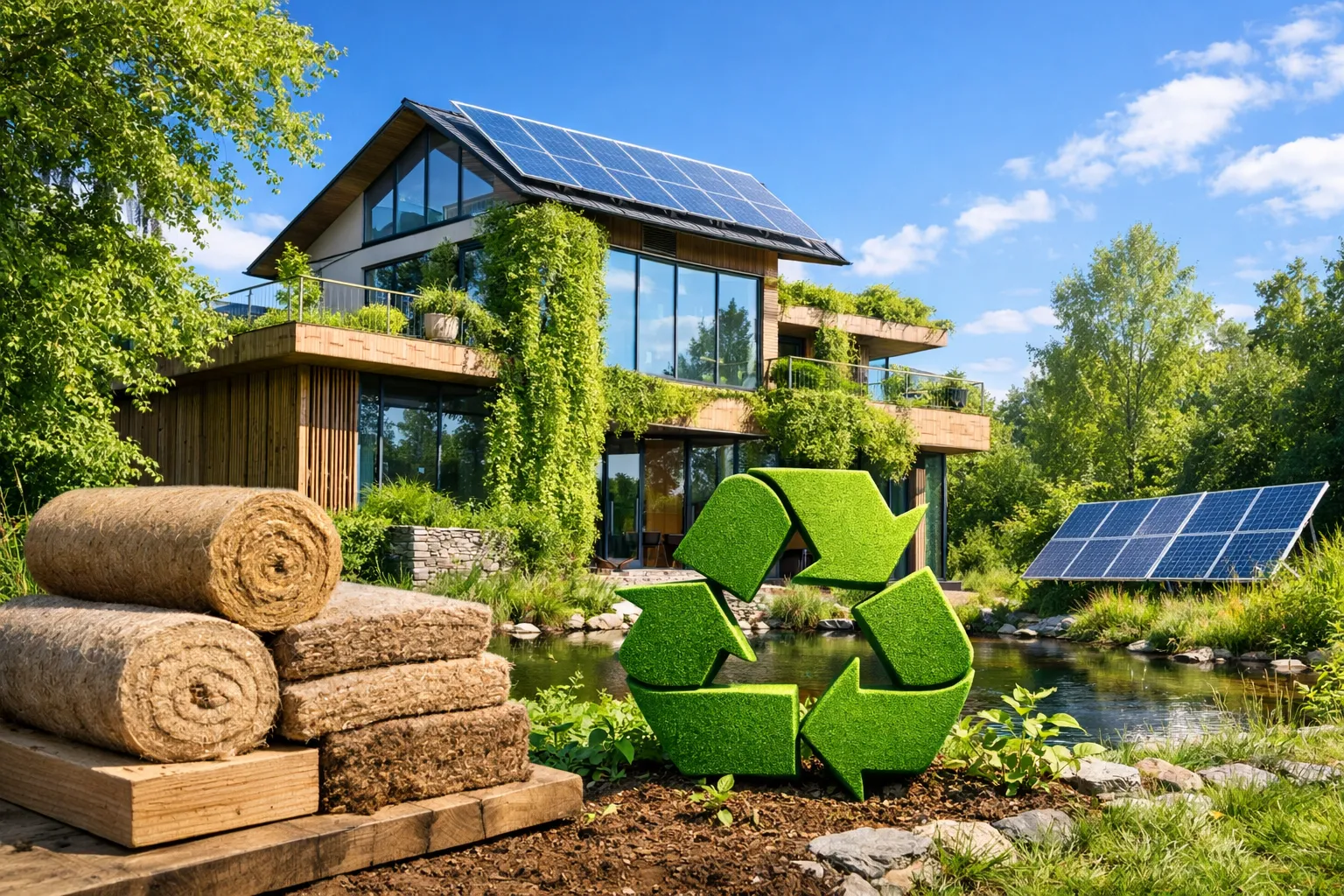
With increasing environmental awareness, the recycling potential of building materials has become a significant issue. But are insulation materials environmentally friendly?
Taş Yünü: %97 Doğal
Taş yünü, volkanik kayalardan üretilir. Tamamen doğal hammadde kullanılır ve %100 geri dönüştürülebilir. Ömrünü tamamlayan taş yünü levhalar öğütülerek yeni ürün üretiminde tekrar kullanılabilir.
EPS: Second Chance
Strafor olarak bilinen EPS, geri dönüştürülebilir bir malzemedir. Eski EPS atıkları eritilerek yeni levhalara dönüştürülebilir. Ancak geri dönüşüm oranı %60-70 civarındadır.
XPS: The Challenging Process
XPS panels are technically recyclable but costly. Therefore, the recycling rate is low. They could be considered for alternative uses.
Energy Saving = Environmentally Friendly
The real environmental benefit of insulation materials becomes apparent during the usage phase. A well-insulated building:
- It provides energy savings for 50 years.
- It reduces carbon emissions.
- It protects natural resources.
The energy consumed in the production of a rock wool panel is only %1 of the energy savings it provides over its lifespan.
Green Building Certificates
In green building certifications such as LEED and BREEAM, the recycling rate of insulation materials earns points. Stone wool is preferred in these certifications.
Conclusion
When choosing insulation, attention should be paid not only to performance but also to environmental impact. Recyclable products made from natural raw materials are the best choice for both your future and the future of the planet.